Color and pattern are different questions
Color describes the coat's pigment and background. Pattern describes how the markings are arranged. A Bengal may be brown, silver, or one of the snow colors and also be spotted, rosetted, or marbled. Charcoal changes the visual effect of the pattern, while glitter describes a reflective coat quality rather than a separate color.
Spots are individual markings. Rosettes have more than one tone and often show a darker outline around a lighter center. Marble patterns flow in broad horizontal swirls rather than the rounded bull's-eye pattern common in classic tabbies.
The three snow expressions
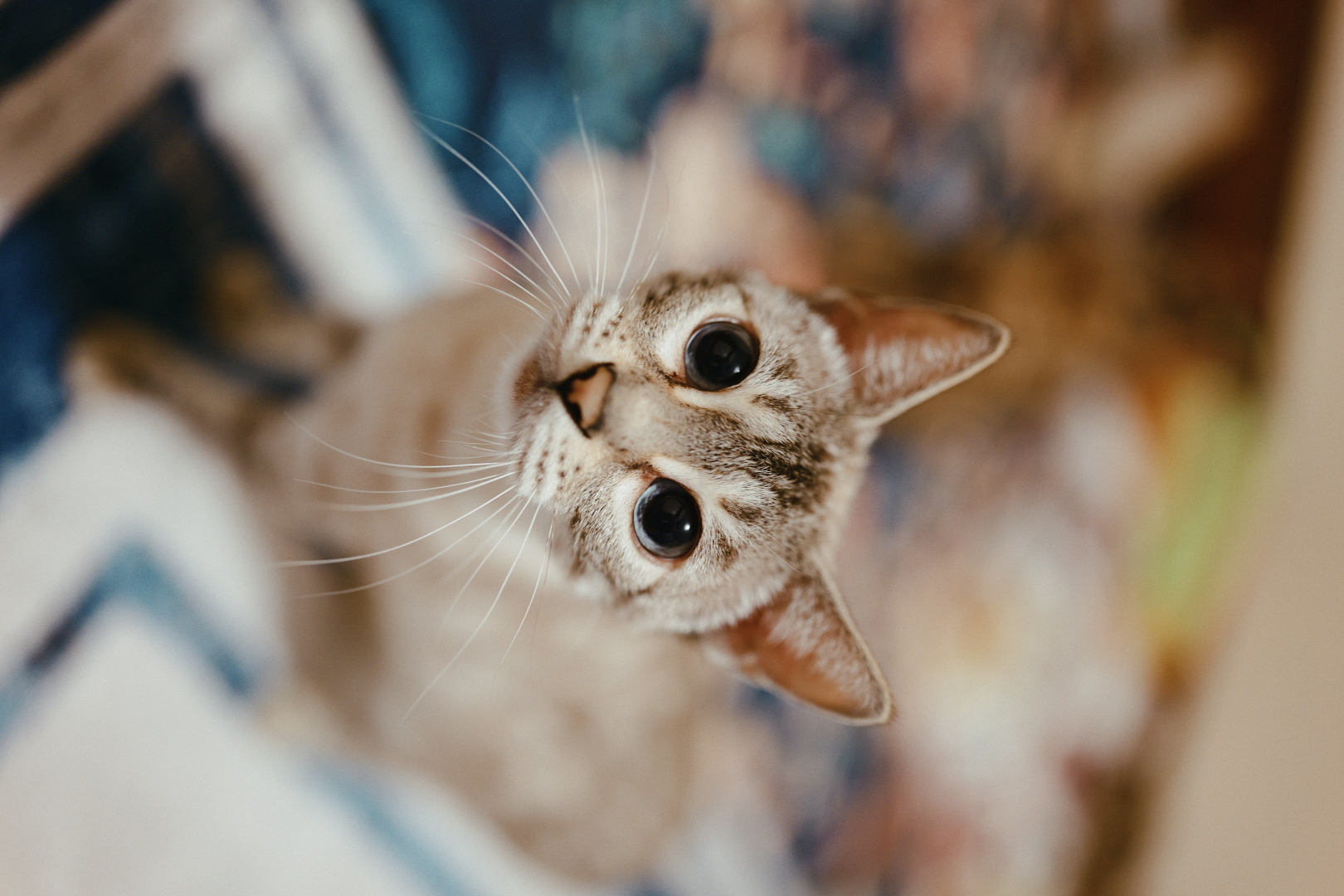
Seal lynx point Bengals generally have the palest backgrounds and blue eyes. Seal mink Bengals often have aqua eyes and a cream to beige coat. Seal sepia Bengals tend toward richer ivory or tan backgrounds with gold to green eyes. Development, temperature-sensitive pigment, and individual genetics can change contrast over time.
Brown covers a wide range from cool tan to warm gold, bronze, copper, and mahogany. Silver suppresses warm pigment in the background, ideally leaving a cool pale field under dark markings. Registry descriptions are more precise than casual color names.
Beauty does not replace health or temperament
A dramatic coat can begin the conversation, but pattern should never excuse poor temperament, weak structure, missing health work, or a bad match for the home. The best coat is the one worn by a healthy cat who can live comfortably as a beloved companion.
Use our coat-color infographic as a visual starting point, then use registered color terms, verified parentage, and DNA results when precision matters.